


RECENT POSTS...
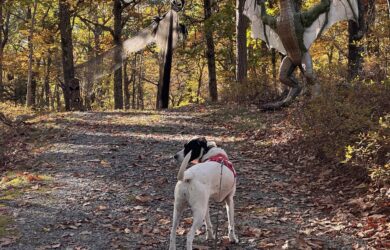
Haunted Trails and the Comfort of Trees
October 25, 2026
0 Comment
A peaceful autumn walk at Mohican Outdoor Center turns spooky when Jolee encounters Halloween creatures and a masked visitor. Beyond the laughter, Catfish Pond offers tender memories and a reminder that nature helps us find joy when life feels a little scary.
Continue Reading →
Nature’s Playground: Where Imagination Grows
October 18, 2026
What looked like an unfinished Children's Garden at Fairchild Tropical Botanic Garden brought childhood adventures rushing back. From tree climbing and log forts to pinecone angels and miniature gardens, nature's simplest treasures spark imagination and wonder—for big kids, too!
Continue Reading →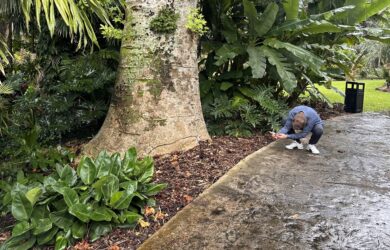
Meeting the Tree of Life
October 11, 2026
A family visit to Fairchild Tropical Botanic Garden brings a long-awaited encounter with a magnificent baobab, known as the Tree of Life. Along with rainbow eucalyptus, tropical butterflies, and memories of Mom, Mary discovers how the seeds we nurture can shape our Garden of Life.
Continue Reading →
When Autumn Arrives Early—Letting Go and Beginning Again
October 04, 2026
Why is my sugar maple dropping leaves before autumn color arrives? An unusually dry spring followed by a wet summer offers lessons in tree stress, harmless lichen, leaf mold—and the remarkable resilience of trees.
Continue Reading →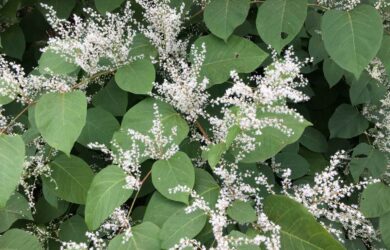
To Weed or Not to Weed Knotweed?
September 27, 2026
To weed or not to weed knotweed? A day in a client's garden leads to a deeper look at persistent pulling, herbicide treatment, property concerns—and what this notorious invasive can teach us.
Continue Reading →
A Memory Trail Through Nature’s Fall Palette
September 20, 2026
A walk along the Paulinskill Valley Trail leads down a memory trail of beloved dogs, changing paths, and Mother Nature’s autumn palette—with a reminder that there is more than one way to go.
Continue Reading →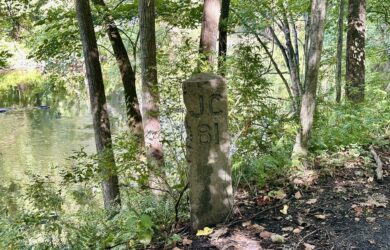
Finding Our Way Again Along the Paulins Kill
September 13, 2026
A walk along the Paulinskill Valley Trail brings railroad history, memories of the Paulina Dam, and lessons about restoration, resilience, and finding our way again.
Continue Reading →
 Visit Delights

Mary E. Stone:
Landscape Designer, Writer, Speaker, Podcaster, and Owner of Stone Associates Landscape Design & Consulting
Copyright 2014, Garden Dilemmas? Ask Mary