


Hello, fellow lovers of all things green.
I harvested the last of my vegetables from the garden—late by most standards. But tucked into that final harvest were unexpected reminders of the resilience of a No-Till garden and the quiet wisdom that arrives when we let Nature lead.
Ripening Green Tomatoes Indoors — A November Surprise

Green tomatoes harvested in November begin their slow transformation indoors—proof that it’s never too late.
It was November 2 when I gathered the remaining tomatoes, though many were still green, but their color shift showed they could finish ripening indoors. Tomatoes are one of the few “vegetables”(technically a fruit) you can harvest before they fully ripen, which prevents skin cracks, green shoulders, and stretch marks (lucky tomatoes). Plus, it lets you control the ripening process. And you can enjoy the bounty before assailants (the cute-as-can-be chipmunks) take a bite. Or before the first heavy frost snags them.
Keep them out of direct sunlight, and they’ll reach peak ripeness in seven to ten days. Or, if you wish them to ripen faster, put them in a brown paper bag. And if more slowly, place them in a cool garage. There’s something magical about staging pounds and pounds of green tomatoes to ripen at different times when most gardens have gone to rest.
A Pepper Blunder that Turned Comical
I also harvested the last of the peppers, chuckling over my earlier blunder. I bought starter plants at our local farm market, bell peppers, and a long green variety, while deliberately avoiding hot peppers. Or so I thought. During the first harvest, one broke while picking, so into my mouth it went. One small bite and my lips were on fire! I grabbed a green tomato to cool the burn, biting it like an apple.
Lessons learned: Label your peppers, carry water, and laugh at your gardening faux pas.
Why No-Till Gardening Creates Healthier Soil
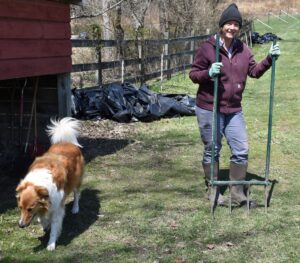
Patti Doell, owner of Little Big Farm (and Buttercup), is demonstrating a broadfork used for No-Till Gardening.
Mine is a No-Till vegetable garden, a method I learned from Patti Doell of Little Big Farm in Blairstown a handful of years ago (how-to stories below). Soil is alive with microorganisms, nematodes, fungi, protozoa, and earthworms, all working together to decompose organic matter and help build soil structure. Not only will plants grow better and produce more, but they’ll also be resistant to pests and diseases and more tolerant of drought. Plus, you’ll have fewer weeds, since tilling a garden brings more weed seeds to the surface.
Putting the No-Till Garden to Bed in Fall
In the fall cleanup, rather than pulling plants up by the roots, I cut them down to the soil line. The decomposing roots feed microbes, worms, and fungi that naturally aerate and enrich the soil. Patti plants cover crops in the fall to improve fertility and suppress weeds. They die back over winter.

A cozy winter blanket of leaf mold protects No-Till beds while feeding the soil below.
I confess I haven’t delved into cover cropping, as I’m still harvesting beyond the time to plant them. And so, 1-2 inches of organically grown straw does the trick. Or I protect the soil with an inch or two of shredded leaves or leaf mold. They decompose naturally, feeding the living soil below.
Saving Seeds: Tiny Promises for Next Year’s Garden
As I tidied up, I saved seeds from the last beans and peas left on the vines. The easiest seeds to save are tomato, pepper, bean, and pea seeds. Once the tomato is fully ripe, scoop out the gooey center with the seeds and swirl them in water for a few days to separate the gel. Then rinse and dry them on paper towels. Allow peppers to ripen and start to wither on the plant before harvesting the seeds.
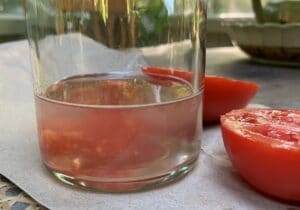
Scoop out the gooey center with the seeds and swirl them in water for a few days.
For peas and beans, let them dry on the plant until brown, or pull and hang the whole plant if they aren’t dry before the risk of frost. The seeds will draw energy from the plant until its dry. Harvest the pods and spread them out on a tray indoors to dry. You can wait until the following spring to shell the pods and sow the seeds. Easy Peezy.
Make sure seeds are thoroughly dry before storing them in airtight containers to keep critters out and moisture from ruining the seeds by encouraging mold. Of course, label them with the date you harvested them so you can monitor your results and keep track of the best-producing seeds from year to year. And if you’re saving hot pepper seeds, you may want to keep those separate; just saying (smile). There’s nothing like the fun of gathering “free” seeds and watching them grow into nutritious veggies.
It’s Never Too Late — Garden Lessons on Timing

A November 2nd harvest from my No-Till Garden
My late-to-plant vegetable garden taught me it’s never too late. We often think otherwise—that we’ve missed the window of opportunity. Yet the garden gently says, “No such thing.” Even in November, my tomatoes ripened, my beans yielded seeds, and the soil is brimming with life.
As Lao Tzu expressed in the Tao Te Ching, which dates back 2500 years, Nature does not hurry, yet everything is accomplished. Reminding us that timing isn’t about calendars. Actually, the expression is an interpretation of Lao Tzu’s words—”The Tao does nothing but leaves nothing undone” in Chapter 37 of the Tao Te Ching. Meaning: Nature has an effortless way of making things happen as it cycles through seasons. That is, if we allow it to unfold naturally, without interfering with how Nature works. When we follow the natural flow, the right timing reveals itself. The garden mirrors that truth.
What we’ve planted in our lives—even what we think are mistakes—feeds what comes next. Trust the timing. By letting go of rushing or forcing, we join the rhythm of the natural world—one that always finds its way back to life.
Garden Dilemmas? AskMaryStone@gmail.com and your favorite Podcast App.
Enjoy more of the story and reflections in the Garden Dilemmas Podcast:
Related Podcasts & Blog Posts:
No-Till Gardening Essentials
No-till Gardening and Starting a No-till Garden— Blog Posts
Ep 28. Three Sisters, No-Till Gardening
️ Hot Peppers & Kitchen Fun
Growing HOT Peppers into cool Jelly — Blog Post
Ep 33. Hot Peppers into Cool Jelly, DIY Worm Castings


