


A Not-So-Peachy Gel Dilemma
What do a peach-stealing squirrel, jelly-like gummosis, and old wounds have in common? A not-so-peachy garden dilemma offers lessons about tree health, resilience, and what may be happening beneath the surface.
Read More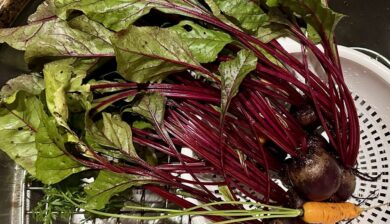
It’s Not Too Late to Plant Again
A neglected vegetable garden, leftover seeds, and a disappointing spring harvest reveal unexpected possibilities for fall planting—and a reminder that it’s not too late to begin again.
Read MoreAugust 30, 2026

Doing Nothing and Everything: Wisdom from Nature & Gardens
What if doing nothing is actually one of the most important things we can do? A modest vegetable harvest, one perfect cherry tomato, birdwatching, and peaceful moments in the garden remind Mary Stone that slowing down often reveals life's greatest gifts.
Read More
Beneath the Surface: The Mystery of the Missing Rose Roots
A healthy rose suddenly became loose in the soil, revealing a mystery beneath the mulch. What first appeared to be chipmunk damage led to an unexpected culprit, solutions for protecting treasured plants, and a reminder that gardens—and life—often invite us to look beneath the surface.
Read More
Leave Room for Wandering: Unexpected Greenhouse Treasures
Leave room for wandering. What began as a trip to purchase annuals became a treasure hunt filled with unusual vegetables, greenhouse discoveries, practical planting tips, and a reminder that some of life's greatest treasures are found beyond what we originally came looking for.
Read MoreMay 31, 2026
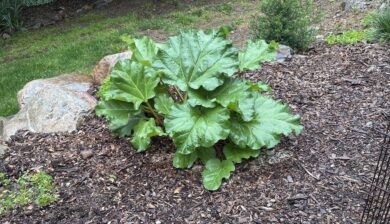
Rhubarb Edible vs. Ornamental— Kindness Helps Heal
From the difference between edible rhubarb and ornamental rhubarb, from blooming tea to rhubarb custard pie, Mary Stone reflects on friendship, healing, and the beautiful ways kindness helps us grow through difficult seasons of life.
Read More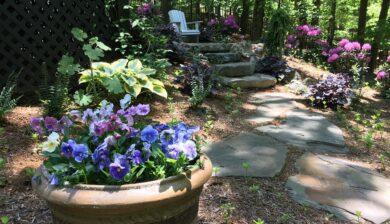
What a Changing Garden Teaches
Sometimes what we see as a problem is merely a message. A visit to a longtime client’s garden reveals lessons in declining plants, thriving moss, and how working with nature—not against it—can lead to something even more beautiful.
Read More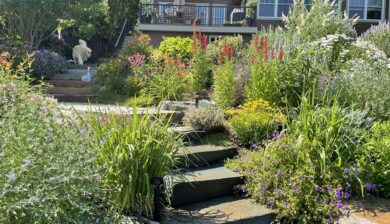
Leaf Mold vs. Mulch & the Lesson of Letting Go
As spring unfolds, I reflect on what remains, what falls away, and what—over time—returns to nourish us again. In this post, we explore leaf mold vs. mulch in the garden, along with a simple lesson in letting go inspired by nature’s cycles.
Read MoreApril 05, 2026
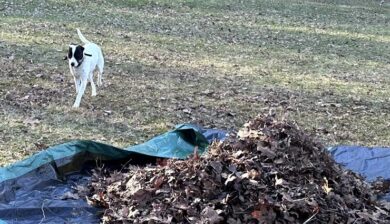
Early Spring Tending: What to Keep, What to Clear
As winter loosens its grip, early spring invites us to tend—clearing what’s too heavy, redistributing what can nourish, and making space for what’s ready to grow.
Read More
Native vs. Invasive Plants: Who Decides What Belongs?
What does “native” really mean — and who decides? A visit to Pittsburgh’s Point State Park, reflections on urban ecosystems, and even the humble stink bug reveal surprising lessons about biodiversity, adaptation, and belonging in our ever-changing garden of life.
Read More
Mary E. Stone:
Landscape Designer, Writer, Speaker, Podcaster, and Owner of Stone Associates Landscape Design & Consulting
Copyright 2014, Garden Dilemmas? Ask Mary